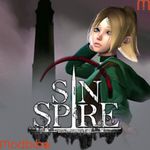
Sin Spire
Advertisement
Games Overview
Sin Spire is a retro horror dungeon game with procedural levels, tense gameplay, unique enemies, boss encounters, progression systems, and strong community-driven exploration.
Table of Contents
Sin Spire – A Deep Dive Into a Retro Horror Dungeon Experience
Sin Spire is a distinctive indie game that blends retro horror aesthetics with procedural dungeon crawling and strong narrative atmosphere. Drawing inspiration from sixth-generation console games, it presents a haunting, surreal world designed to unsettle players through tension, mystery, and psychological pressure rather than reliance on modern realism.
Set inside a nightmarish tower known as the Spire, the game places players in the role of a nameless wanderer trapped in a hostile alternate dimension. Survival depends on exploration, decision-making, and understanding the rules of an unpredictable environment filled with persistent threats.
Core Concept and Setting
At its heart, Sin Spire is a horror dungeon crawler built around procedural design. Every descent into the Spire offers new layouts, encounters, and dangers, ensuring that no two runs feel exactly the same. The tower itself acts as both the setting and the antagonist, constantly reshaping itself to challenge the player.
The story unfolds subtly through environmental storytelling rather than long exposition. Strange architecture, corrupted chambers, and eerie enemies hint at a world that has fallen under the influence of powerful and malevolent forces.
Retro Horror Presentation
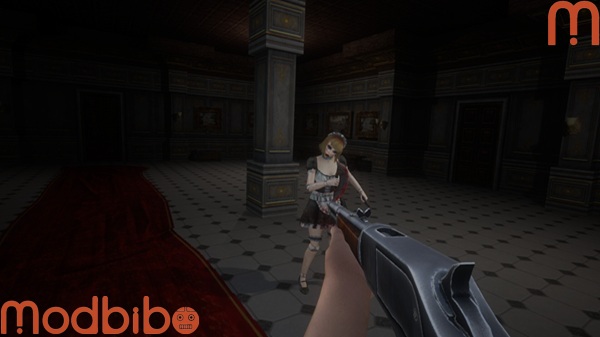
One of the most striking aspects of Sin Spire is its visual identity. The low-poly models, grainy textures, and muted lighting intentionally evoke early 3D horror games. This design choice creates an uncanny atmosphere that feels both nostalgic and unsettling.
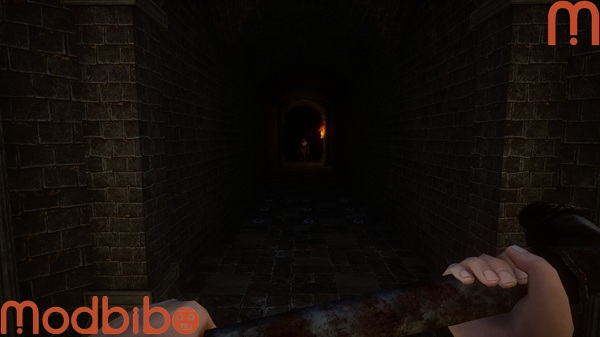
The retro presentation serves gameplay as well as tone. Limited visibility, harsh angles, and distorted perspectives heighten tension, forcing players to rely on sound cues and intuition. The result is an experience that feels deliberately uncomfortable, which is exactly what horror fans tend to appreciate.
Advertisement
Sin Spire Gameplay Overview
Sin Spire Gameplay focuses on exploration, survival, and adaptation. Players must navigate through procedurally generated dungeon floors while managing resources, avoiding threats, and choosing when to confront enemies or retreat.
Key gameplay elements include:
-
Exploration of branching dungeon paths
-
Enemy encounters that emphasize pressure and pursuit
-
Resource management tied to progression systems
-
First-person and third-person perspective transitions
Rather than offering constant combat, the game encourages players to assess risk. Sometimes avoiding danger is the smartest option.
Procedural Dungeons and Stalkers
The Spire is divided into five thematically distinct procedural dungeons. Each area introduces unique environmental hazards and enemy behaviors. Some zones emphasize claustrophobic corridors, while others open into wide spaces that create a false sense of safety.
A defining feature is the presence of Stalkers—persistent enemies that actively hunt the player across areas. These encounters create tension by discouraging slow or careless exploration. Stalkers force players to think strategically, using the environment to escape or misdirect threats.
Enemies and Boss Encounters
Players often search for Sin Spire All Enemies and Sin Spire All Bosses due to the game’s diverse cast of adversaries. Each enemy type has a distinct movement pattern, behavior, and role within the dungeon ecosystem.
Boss encounters serve as major progression milestones. These fights test the player’s understanding of mechanics, timing, and positioning rather than raw reflexes alone. Bosses also reinforce the narrative themes of corruption and domination within the Spire.
Progression Systems and Player Growth
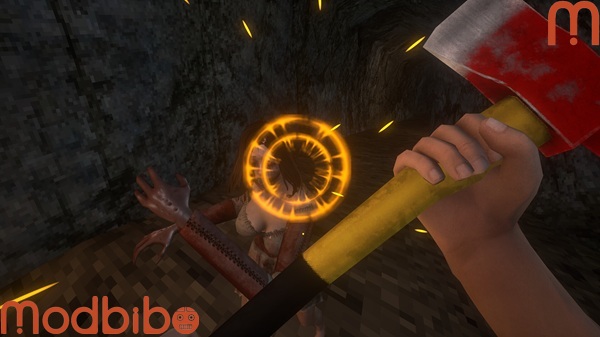
Sin Spire features a layered progression system that rewards experimentation and survival. As players advance, they unlock skills, perks, and upgrades that alter how they approach exploration and encounters.
One notable progression element is the Sin Spire Pendant, an item that influences player stats and interactions. Learning how to use such artifacts effectively becomes crucial in later stages of the game.
Progression is intentionally paced to maintain tension. Power increases are meaningful, but never remove the sense of vulnerability that defines the experience.
Walkthrough Structure and Learning Curve
Many players look for a Sin Spire Walkthrough, not because the game is unfair, but because it encourages discovery through failure. Early runs often end quickly, teaching players valuable lessons about enemy behavior and dungeon logic.
Rather than holding the player’s hand, the game expects patience and observation. Over time, players begin to recognize patterns, identify safe routes, and manage risks more effectively.
This learning-through-experience approach aligns well with classic horror design philosophy.
Demo Versions and Community Interest
Interest in the Sin Spire Demo has played a significant role in growing the game’s community. The demo introduces players to the core mechanics and atmosphere without revealing all of the game’s surprises.
Search terms such as Sin Spire Demo Download and Sin Spire Full Gameplay highlight curiosity about the depth and replayability of the experience. Players often share impressions, strategies, and theories across forums and community hubs.
Advertisement
Platform Presence and Development Support
Sin Spire maintains a strong presence on platforms such as Sin Spire Itch Io, where indie players frequently explore experimental and niche horror games. Development updates and behind-the-scenes insights are often discussed alongside community feedback.
Support through Sin Spire Patreon allows fans to follow development progress, provide input, and support future updates. This close developer-community relationship contributes to the game’s evolving design.
Lore, Documentation, and Community Knowledge
The game’s cryptic storytelling has led to the growth of a community-maintained Sin Spire Wiki, where players document enemies, mechanics, lore theories, and hidden systems.
Because much of the narrative is implied rather than stated outright, community discussion plays a large role in interpreting the Spire’s meaning and origins. This collaborative discovery enhances replay value and long-term engagement.
Save Systems and Replayability
Interest in Sin Spire Save File Download reflects the game’s challenging nature. Players often want to experiment with different progression paths or revisit specific sections without restarting entirely.
Replayability is a core strength. Procedural layouts, multiple strategies, and evolving skill builds ensure that even experienced players remain cautious during new runs.
Release History and Ongoing Development
Searches for Sin Spire Release Date indicate sustained interest in the game’s development timeline. Rather than a one-and-done experience, Sin Spire continues to evolve through updates, balance changes, and community feedback.
This ongoing support helps refine mechanics while preserving the game’s core identity.
Overall Impressions
Sin Spire stands out by committing fully to its vision. It does not attempt to appeal to everyone, and that focus is its greatest strength. Fans of retro horror, procedural dungeon crawlers, and atmospheric storytelling will find a deeply engaging experience.
Strengths include:
-
Strong atmospheric design
-
Meaningful procedural generation
-
Tension-driven gameplay
-
Active community involvement
The game rewards patience, curiosity, and adaptability rather than speed or brute force.
Final Thoughts
Sin Spire is more than a dungeon crawler—it is an experience designed to challenge perception, provoke unease, and reward perseverance. Its retro presentation, procedural structure, and layered mechanics create a game that feels intentionally oppressive yet deeply compelling.
For players seeking a horror game that values atmosphere, discovery, and replayability, Sin Spire offers a uniquely memorable journey into the unknown depths of the Spire.